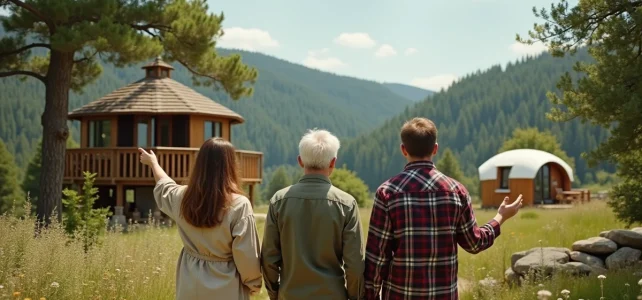
Sleeping in a classic bed when going away for the weekend in France, we can do better. Unusual accommodations have multiplied across the country, from treehouses to transparent bubbles, not to mention yurts or isolated tiny houses. Here are ten types of concrete accommodations to step off the beaten path during your next nights in nature.
1. Treehouse with private spa
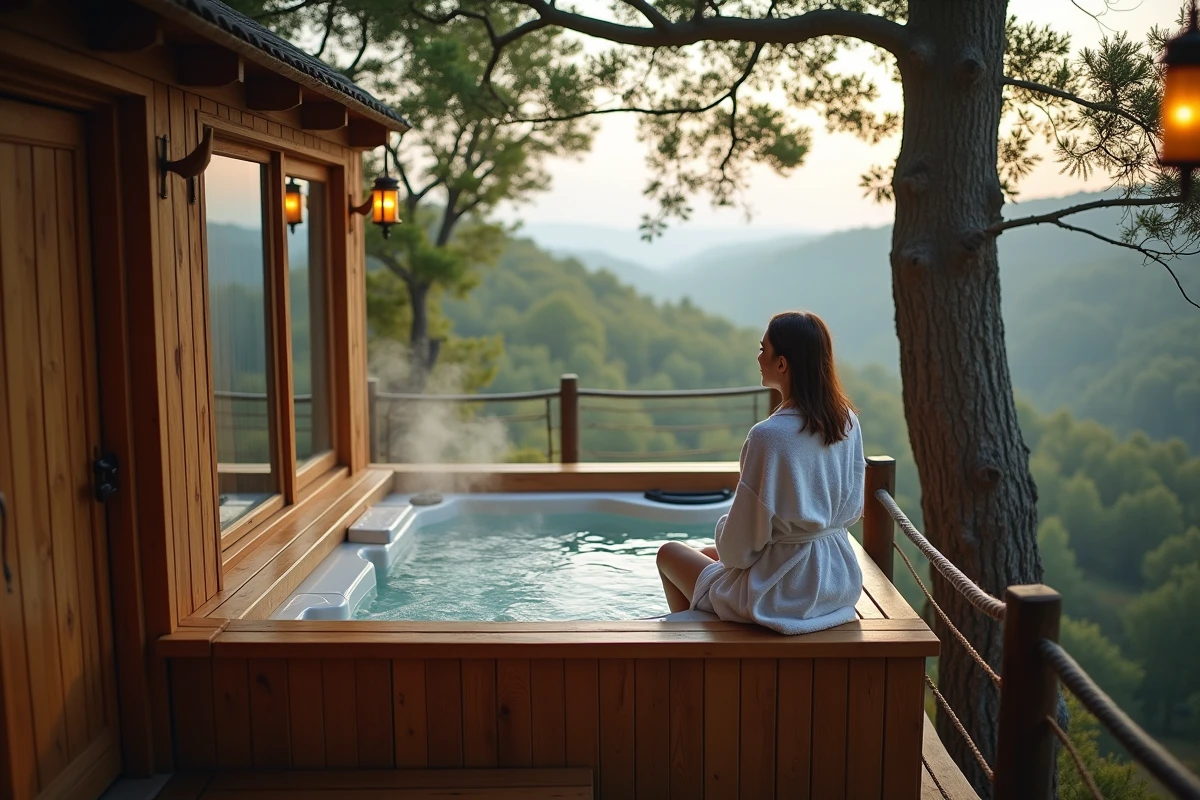
We start with the classic that never ages. A treehouse equipped with a Nordic bath or a jacuzzi on the terrace is the format that attracts both couples and families. Estates like Les Cabanes de La Réserve in Oise offer high-perched spa cabins with a direct view of the canopy.
Access is often via a ladder or walkway, which limits luggage. Be sure to check the weight capacity and accessibility if you are traveling with young children. Feedback varies on thermal comfort in winter depending on the structure’s insulation.
To explore other accommodation options in France, there are various selections on the Voyager en Découverte website that cover both classic and atypical options.
2. Transparent bubble under the stars
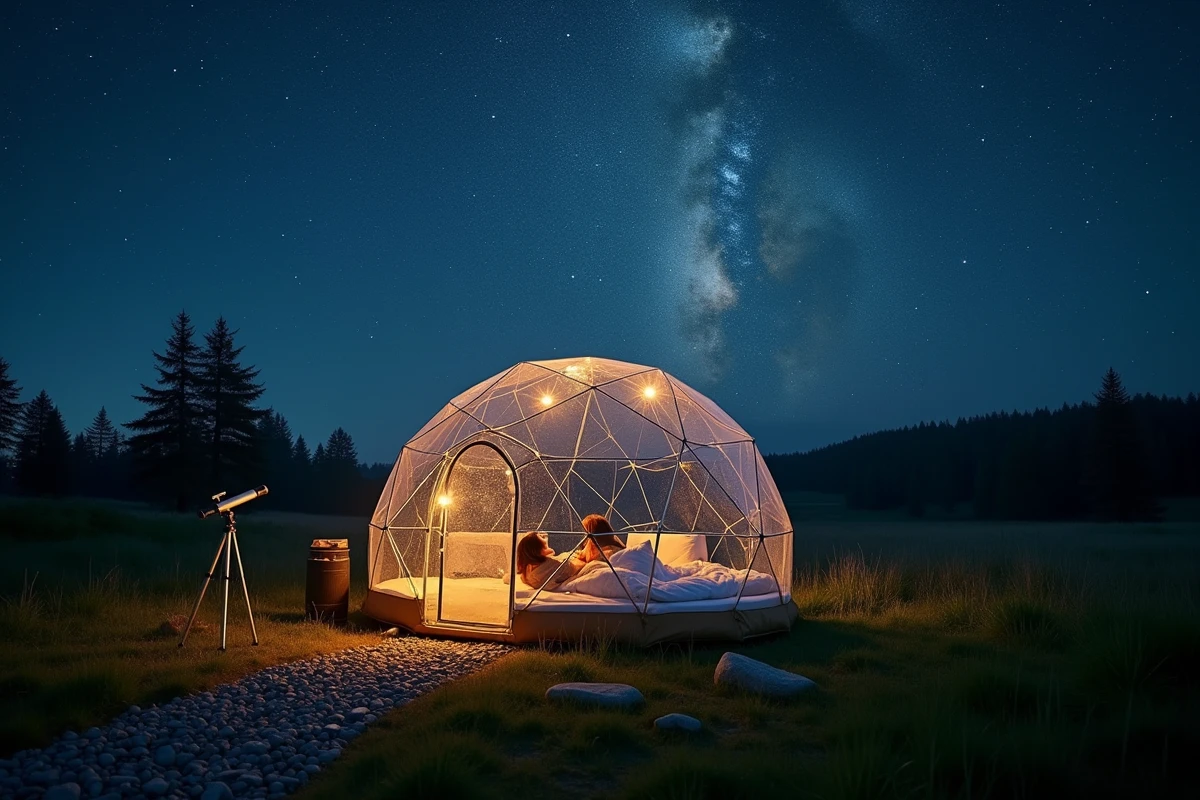
The transparent bubble remains one of the most striking experiences for an unusual night. You literally sleep under the stars, protected by an inflatable membrane. The effect is stunning on clear nights, much less so when it’s overcast.
Prefer stays between April and October to avoid condensation and excessively low temperatures. Some estates add a silent ventilation system and a telescope, which completely changes the experience.
3. Bohemian caravan in the countryside
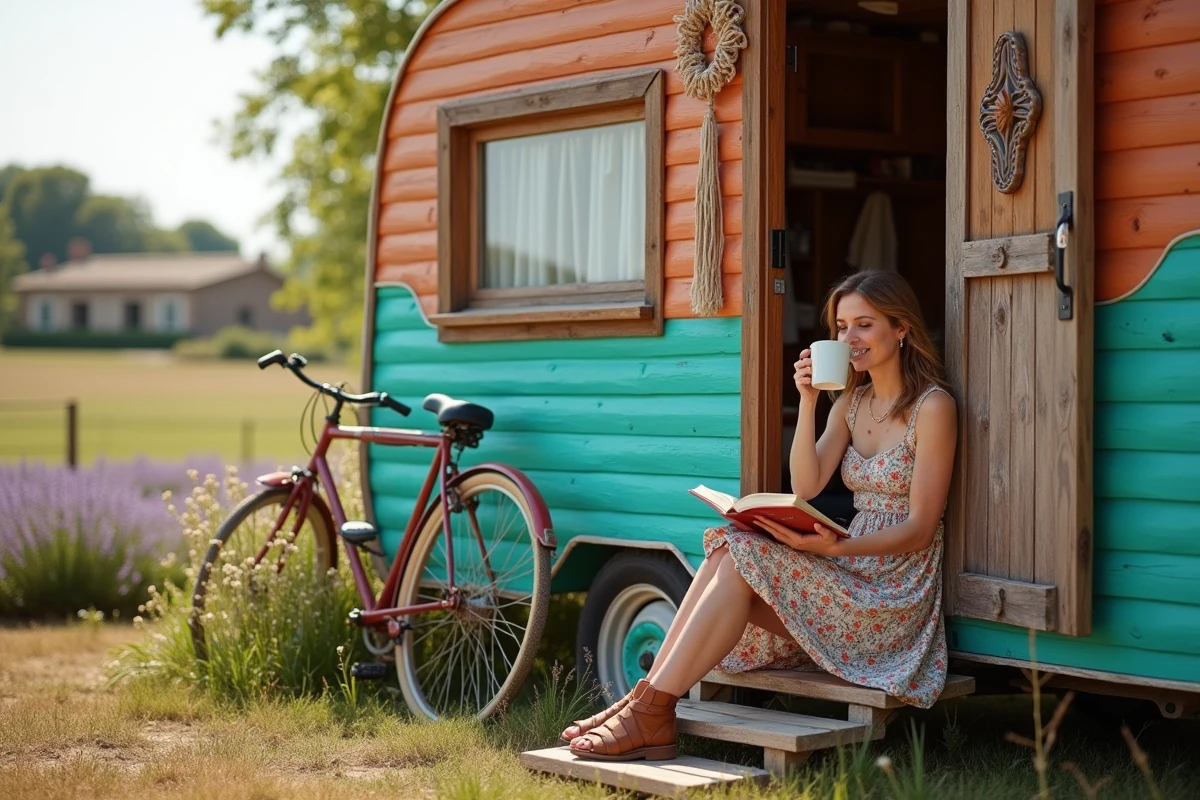
The caravan offers a change of scenery without traveling: a fixed structure, often painted wood, with a compact but well-thought-out interior. They can be found in the southwest, in Provence, and even in northern France.
This format is well-suited for two to three-night stays for couples. The space is limited (rarely more than 15 m²), but the bohemian atmosphere and tranquility more than make up for it. Check for private bathrooms, as some caravans share facilities with the estate.
4. Mongolian yurt with wood stove
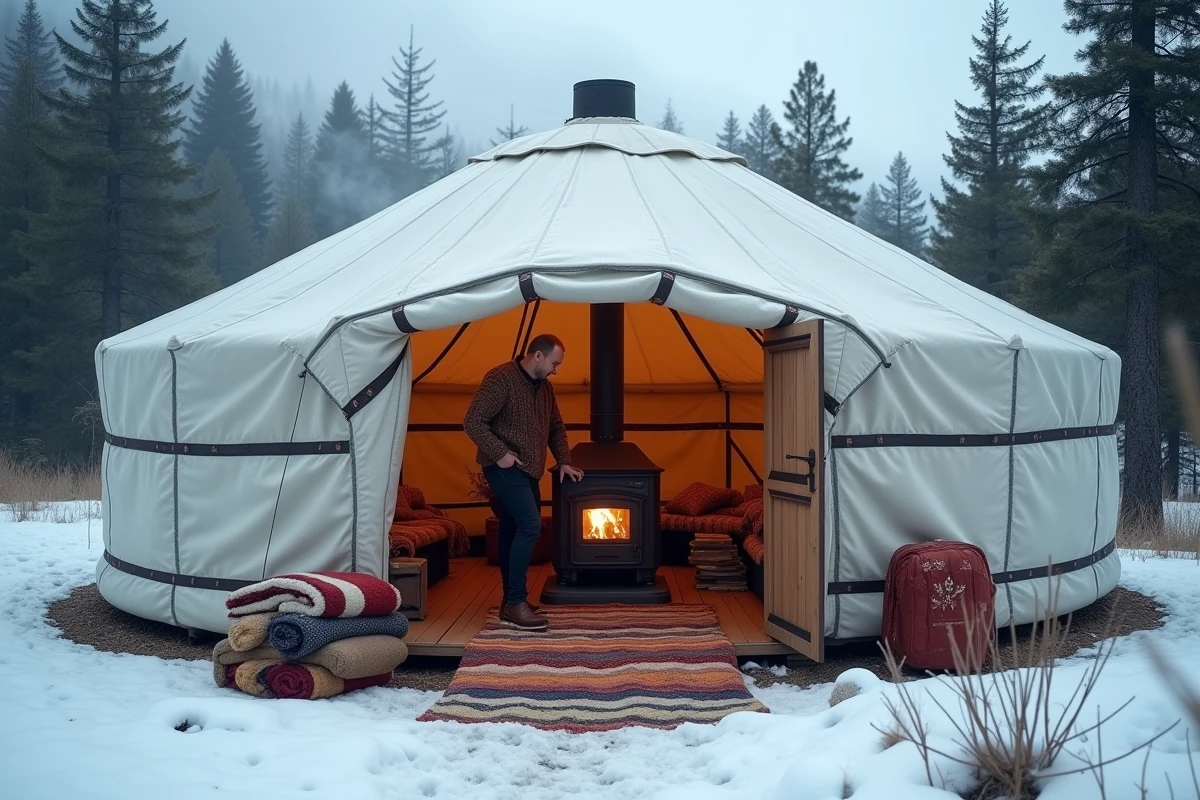
The yurt offers surprising interior volume for a removable structure. The central wood stove creates a warm atmosphere, even in the middle of winter. Several estates in the Alps, Vosges, or the Massif Central offer this format.
Practical point: insulation varies greatly from one yurt to another. Models with thick felt and elevated flooring hold up well during cold nights. Those with a simple canvas are pleasant in summer but insufficient from autumn onwards.
5. Self-sufficient tiny house on the edge of the forest
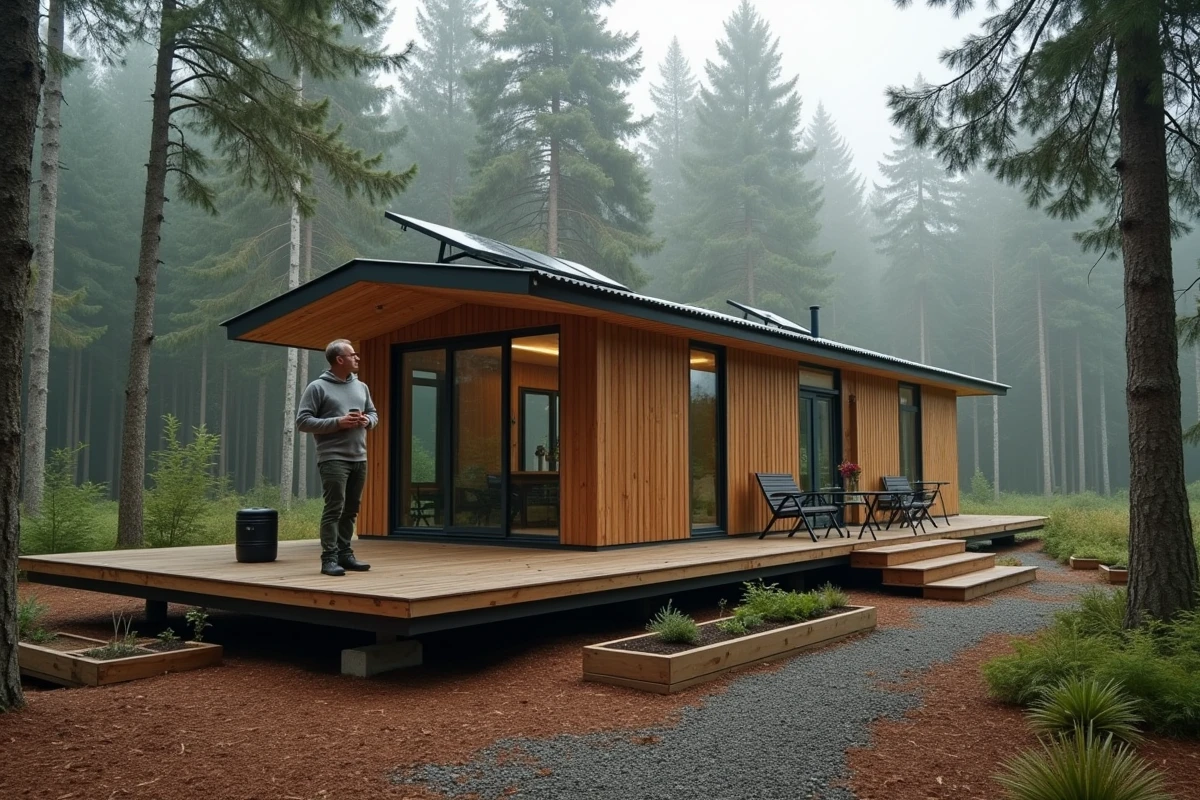
The tiny house appeals with its minimalist design and energy autonomy. Solar panels, dry toilets, rainwater harvesting: some tiny houses operate entirely off-grid. You find the comfort of a studio (equipped kitchen, shower, loft bed) in a reduced volume.
This format is ideal for testing a more sustainable lifestyle for a weekend. Most are located in isolated areas, which means you need to arrive with your supplies.
6. Eco-lodge by the river
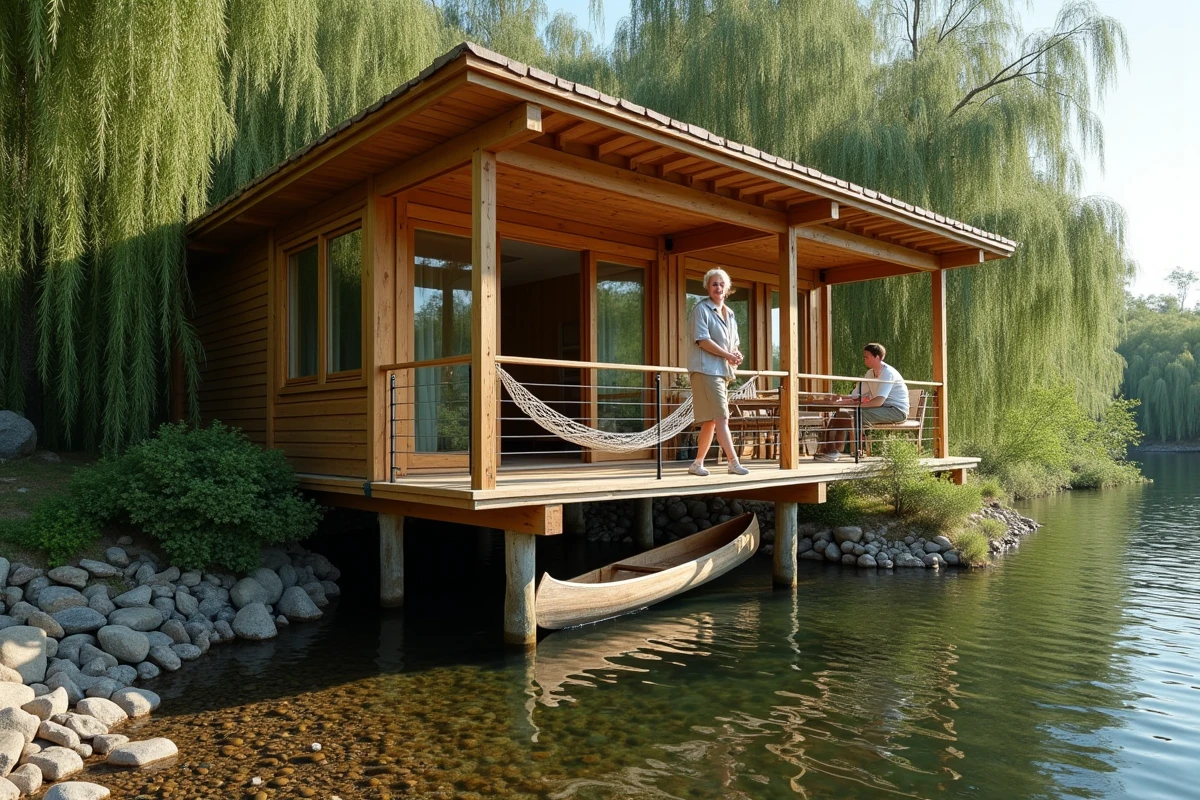
The eco-lodge takes the eco-responsible logic further than just a simple cabin. Structures like Domaine EcÔtelia in Aquitaine offer accommodations built from bio-sourced materials with measured management of water and energy. The Clef Verte label is starting to incorporate this type of structure.
We appreciate the compromise between hotel comfort and nature immersion. The riverbank adds a sound dimension (the sound of water, the song of birds at dawn) that is often lacking in full forest accommodations.
7. Floating cabin on a lake
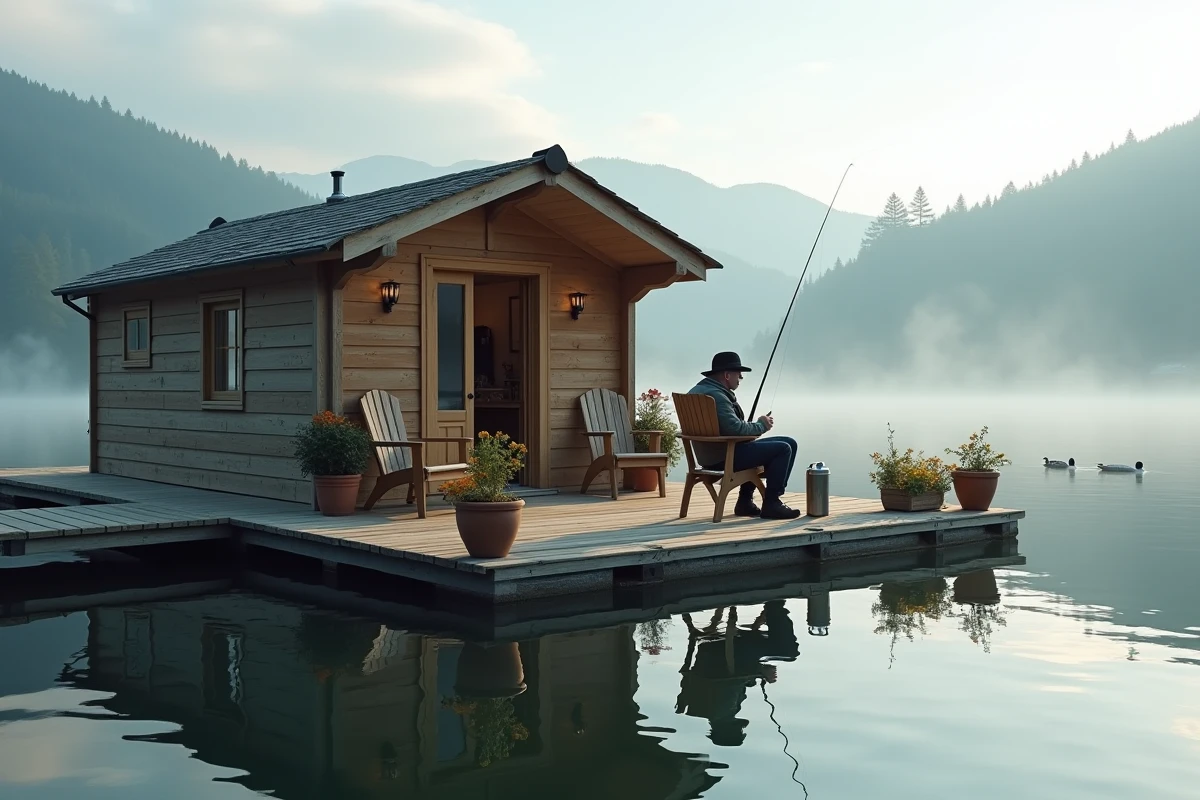
Sleeping on the water without being on a boat is the principle of the floating cabin. The structure rests on floats and is moored to a dock. You access it by boat or via a walkway.
The silence on the water is incomparable, especially at dawn. In return, the slight movement of the cabin may surprise those sensitive to seasickness. Also, plan for warm clothing, as the ambient humidity quickly cools the nights.
8. Geodesic dome with panoramic view
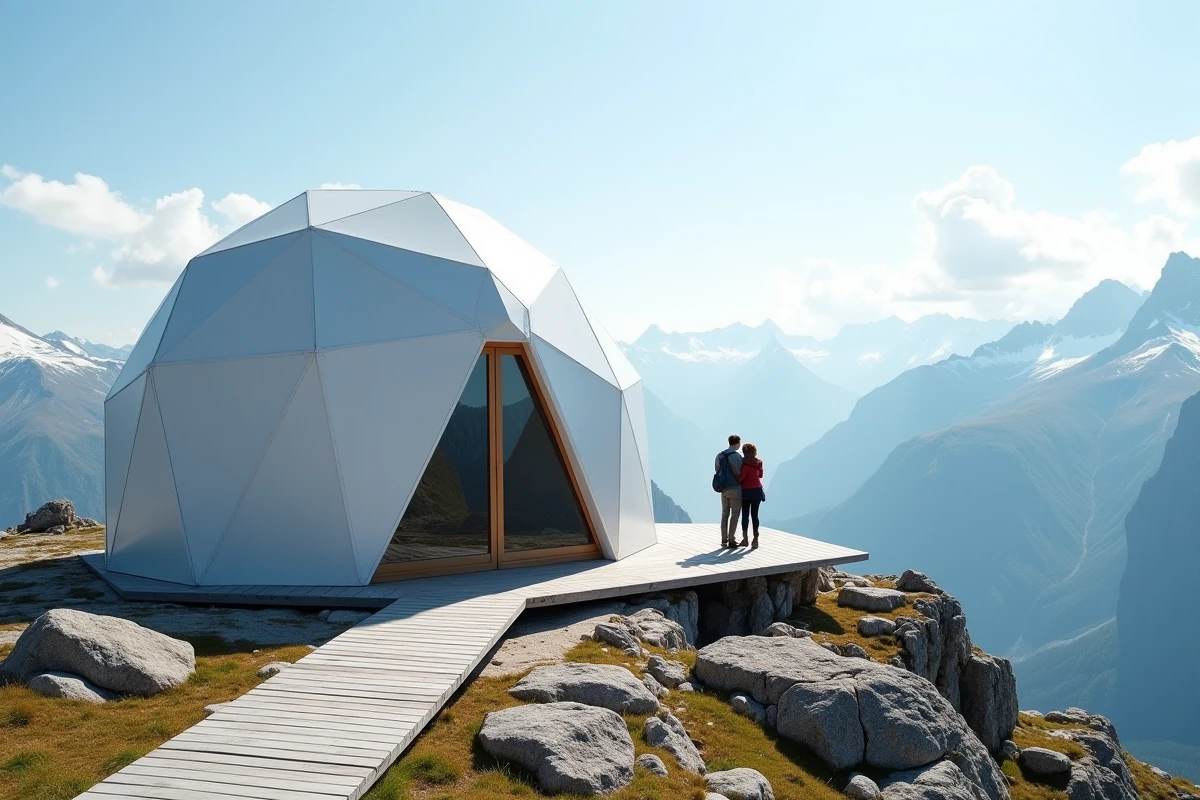
The geodesic dome combines the transparency of the bubble and the solidity of a rigid structure. Its glass walls offer a 360-degree view, often set high on a hilly estate. This format is upscale with premium amenities (king-size bed, underfloor heating).
Compared to the inflatable bubble, the dome withstands bad weather better and offers better acoustic insulation. The price is generally higher, but the robustness of the structure allows for year-round stays.
9. Troglodyte house in tuffeau
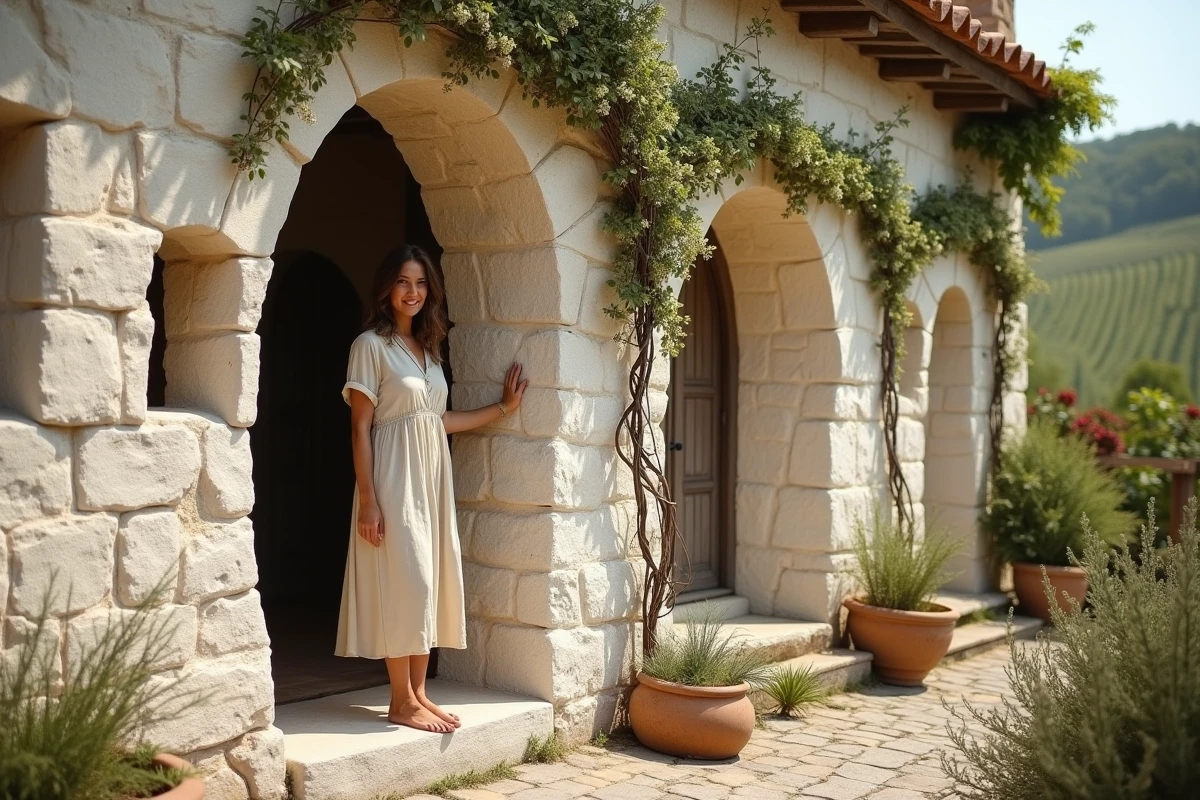
The Loire Valley concentrates most of the troglodyte accommodations in France. These cavities carved into tuffeau maintain a stable temperature of around 14 to 16 degrees all year round, making them a natural refuge against summer heatwaves.
The atmosphere is unique: raw stone walls, rounded vaults, soft lighting. The main drawback remains the residual humidity, which the best addresses manage with mechanical ventilation. Ideal for heritage and coolness enthusiasts.
10. Maritime lighthouse converted into a gîte
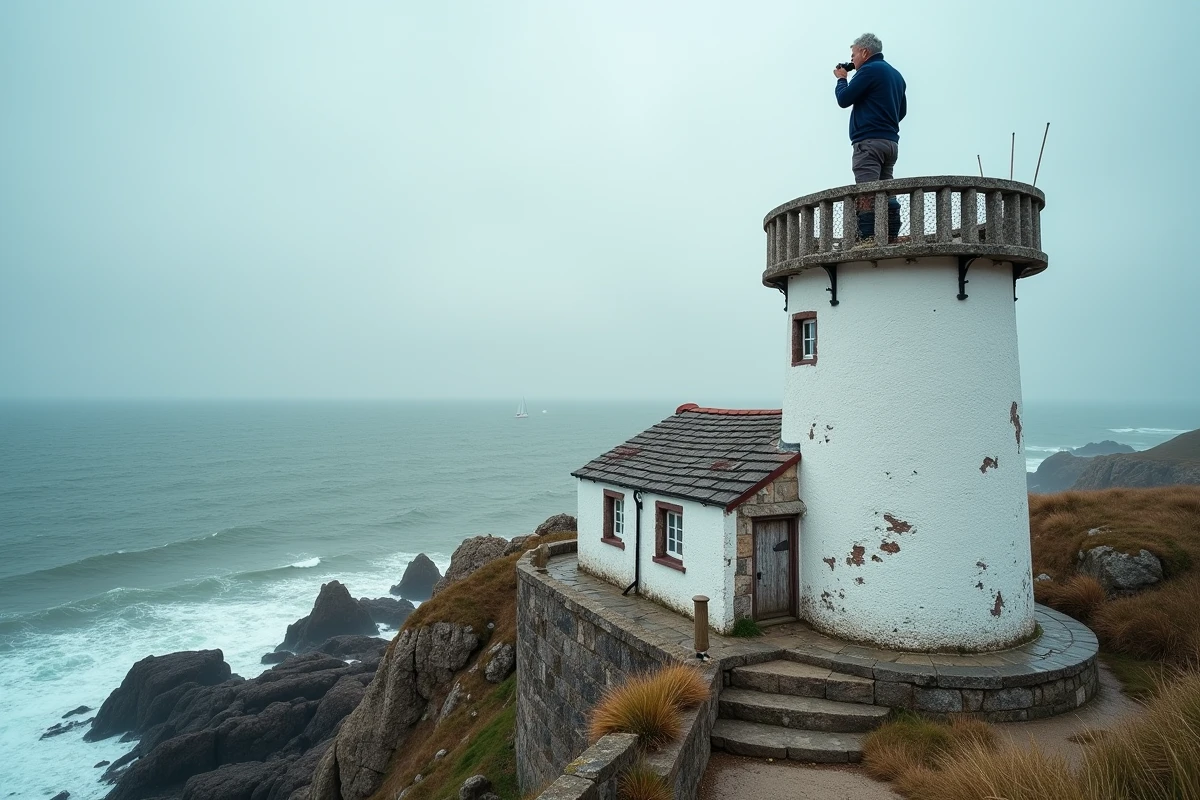
Sleeping in a lighthouse is a rare experience. A few decommissioned lighthouses in Brittany and on the Atlantic coast have been transformed into gîtes. The space often remains vertical (spiral staircase, rooms spread over several levels), with a sea view from the lantern.
Reservations are usually made directly with the owners or through specialized platforms like Insolites de France, which operate without intermediaries. Book several months in advance, as availability is very limited, especially in the summer period.
Each type of unusual accommodation meets a different desire: contemplation, adventure, minimalism, or heritage. The common point is that you return with a story to tell, not just a night of sleep. Before booking, check the access conditions, cancellation policy, and the recommended season by the estate.