A shower faucet that is too low, a poorly secured rug in the hallway, a phone with buttons that are too small: the daily life of seniors often hinges on details that we overlook until they become a real problem. Adapting one’s environment and habits doesn’t necessarily require significant resources, but rather a concrete approach, piece by piece, gesture by gesture.
Here are some practical suggestions to improve the daily life of seniors, starting from real situations.
Adapting one’s home before the first fall
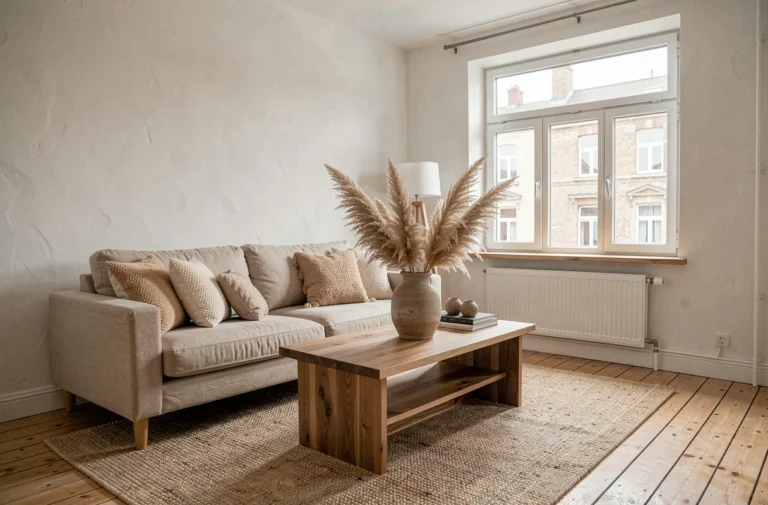
We often wait for an incident to react. The bathroom accounts for a significant portion of domestic accidents among the elderly. Installing a grab bar next to the shower or replacing the bathtub with a flat shower tray are interventions that can make a difference.
Since February 2026, MaPrimeAdapt’ also funds home automation equipment: automation of shutters, night light paths, voice commands for lighting. These devices, long considered a comfort, are now recognized as aids for staying at home. The income ceilings have been adjusted after the reopening of the program, which expands access to more households.
Beyond the bathroom, we rarely think about hallways and door thresholds. A simple poorly anticipated threshold raise can block a walker. To identify risk areas without delay, platforms like seniorweb.fr gather useful resources on home modifications and available assistance.
Physical activity after 65: choosing what lasts
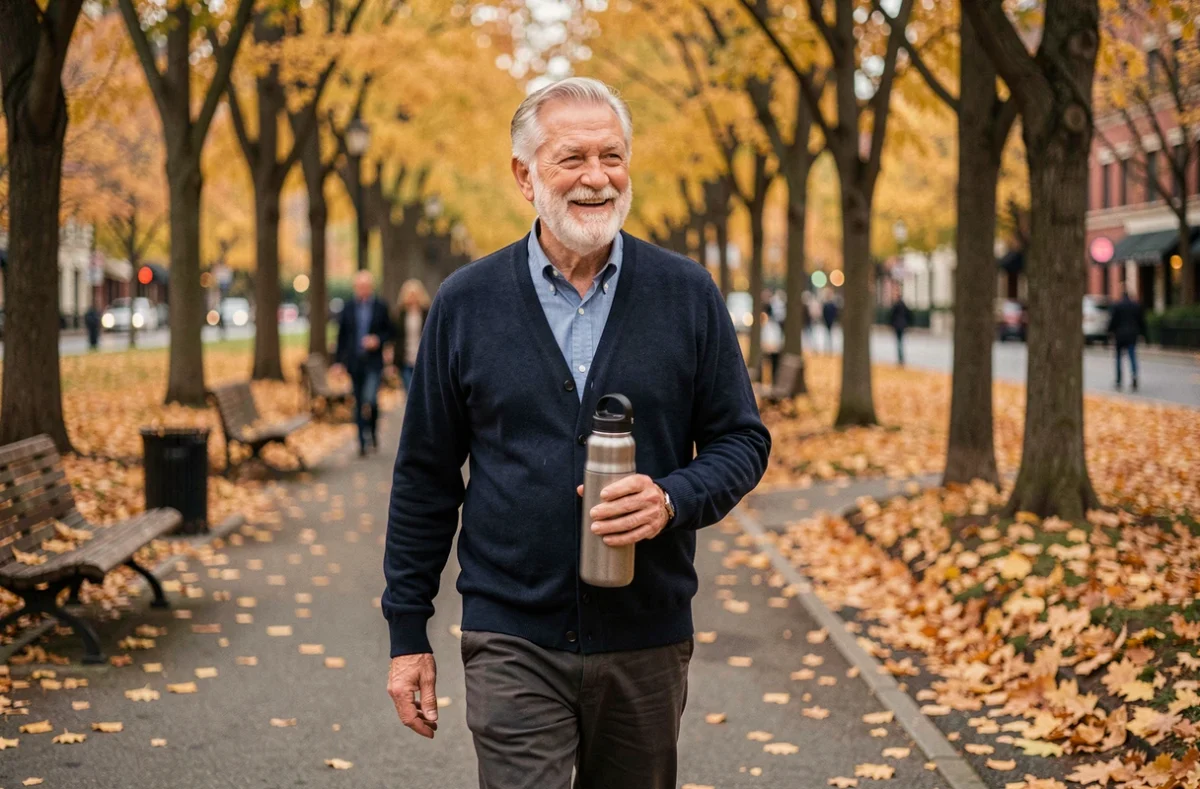
Walking remains the most accessible and regularly practiced activity. A few sessions per week are enough to maintain balance and joint mobility. The goal is not performance, but consistency.
A realistic program is better than an ambitious schedule abandoned in three weeks. We often see generic recommendations like “get active.” In practice, what works for an active 66-year-old may not be suitable for an 80-year-old with knee osteoarthritis.
Three concrete guidelines to help you navigate:
- Fast or Nordic walking, which can be done without expensive equipment, engages the cardiovascular system without violent impact on the joints
- Balance exercises (standing on one foot, heel-to-toe walking) reduce the risk of falling and can be practiced at home, without equipment
- Light muscle strengthening (using resistance bands or body weight) preserves muscle mass, which naturally decreases with age
Responses vary by profile: some people benefit more from aquatic activities than from walking, especially in cases of chronic lower back pain. The idea is to try several formats before committing to a routine.
Senior nutrition: the pitfalls of daily life
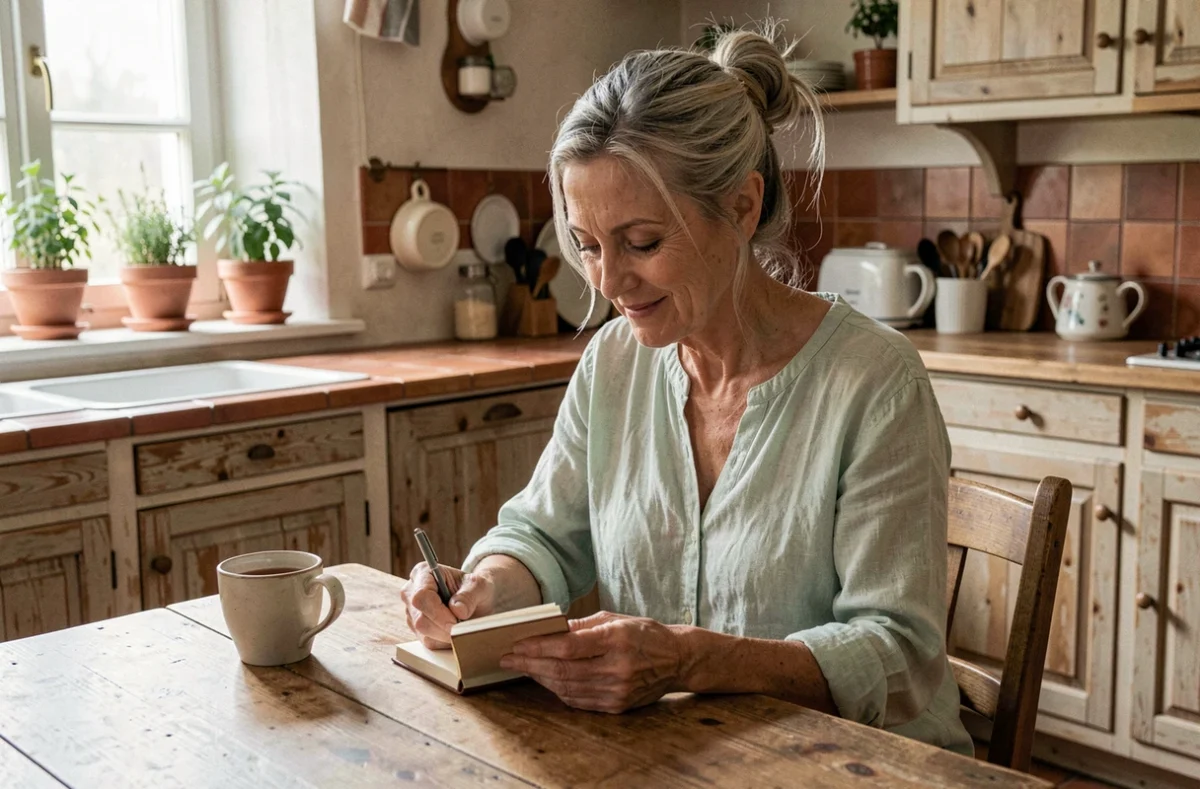
The most common problem is not junk food, but monotony. When cooking for oneself, one tends to rotate through four or five dishes. Malnutrition affects seniors long before we notice it, as it sets in gradually: smaller portions, skipped meals, loss of appetite related to loneliness.
Some simple adjustments can make a difference. Splitting meals into four or five intakes per day instead of three helps maintain sufficient caloric intake without forcing quantities. Prioritizing protein-rich foods (eggs, legumes, fish, dairy products) helps slow muscle loss.
Eating with someone radically changes the quality of the meal. Shared meals, whether in a senior club or with a neighbor, increase the duration of the meal and the variety of foods consumed. It is a lever for health as well as social connection.
Teleassistance and digital tools: what really helps
The teleassistance pendant has existed for decades, but its real usefulness depends on a parameter that commercial brochures rarely mention: the speed and reliability of the response on the other end of the line. Before subscribing, check the platform’s hours, the average response time, and the protocol in case the user does not respond.
Automatic fall detection devices (via bracelet or floor sensors) have progressed in recent years. They complement the classic pendant for individuals who may not be able to press a button after a fall. Monthly costs vary by provider, and part of it may be covered by APA or the home employment tax credit.
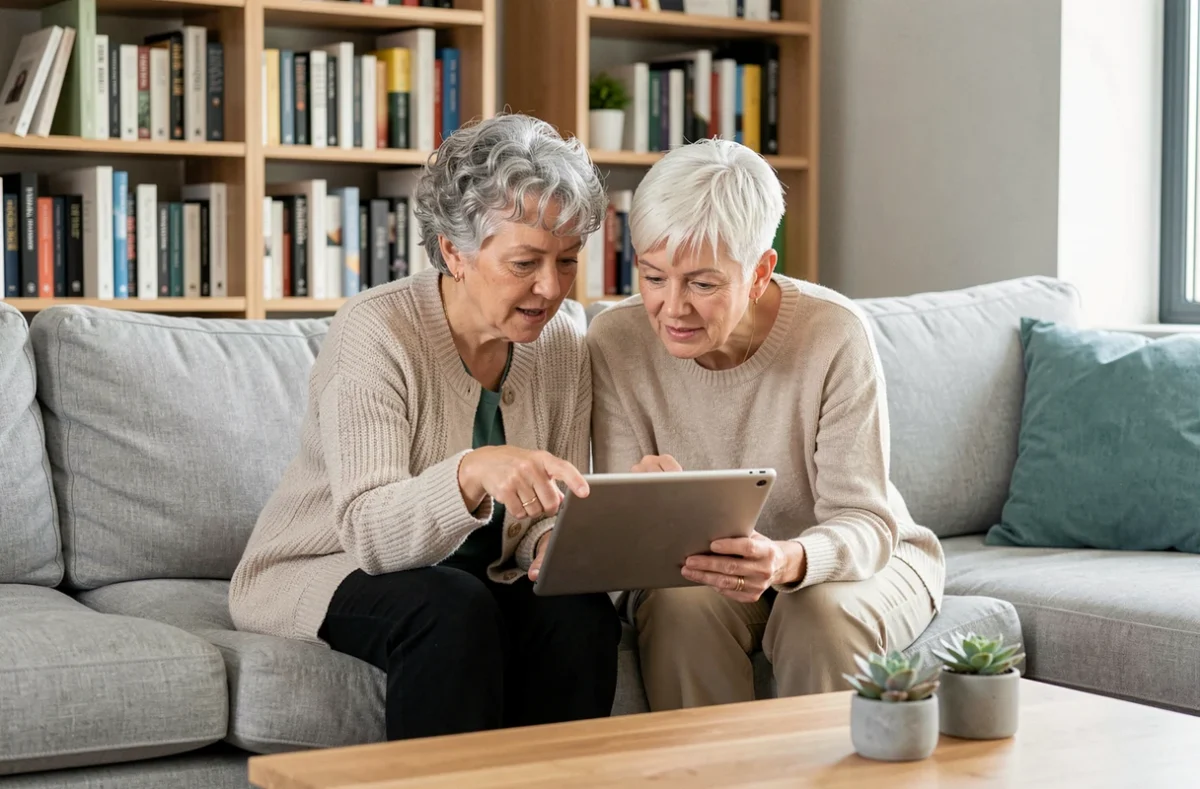
On the digital side, simplified tablets with adapted interfaces allow seniors to keep in touch with family without mastering a traditional smartphone. This is not a gadget: for an isolated person, a weekly video call with grandchildren can have a measurable effect on morale and motivation to take care of oneself.
Social connections after retirement: going beyond the family circle
Loneliness is a health risk factor as well-documented as tobacco or sedentary behavior. After retirement, the professional social network disappears suddenly. Rebuilding regular interactions requires an active approach, not a wishful thought.
Local associations, municipal workshops (painting, computing, community gardening), and volunteering provide structured frameworks. The advantage of volunteering is that it gives a concrete social role: one is no longer just “retired,” but is useful somewhere, with a regular appointment.
For seniors with reduced mobility, home visits from volunteers or phone calls organized by specialized associations may sometimes be the only human contact of the week outside of caregivers. This is an often-overlooked aspect in wellness guides, which assume a level of mobility that not everyone has.
Every adjustment counts, even modest ones. Installing a bar in the shower, walking twenty minutes three times a week, sharing a meal with a neighbor: these actions require neither a significant budget nor a complete reorganization. They just require us to take action before the situation demands it.