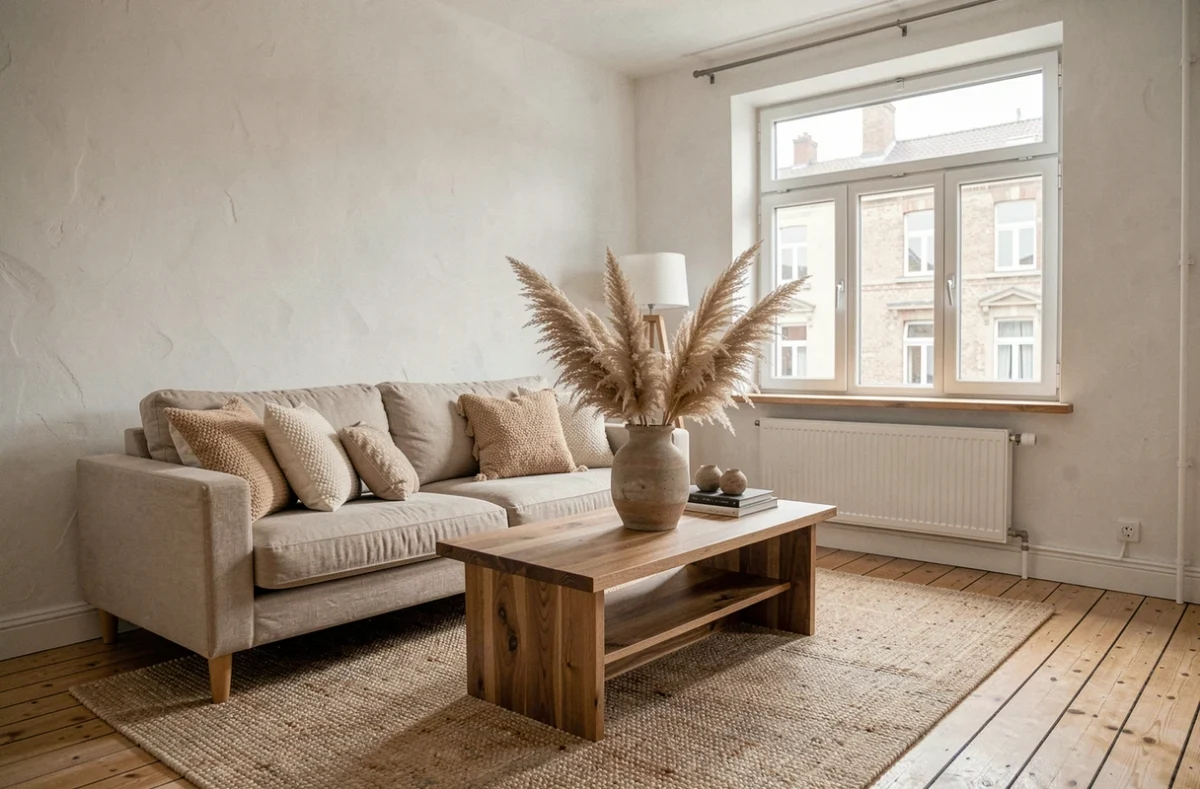
A sofa that’s too big for the living room, a light fixture that overwhelms the ceiling, a rug that clashes with the rest of the room: these mistakes are costly and often repeated. Equipping your interior well is not just about accumulating pretty objects. Every piece of furniture, every material, every light source plays a specific role in the balance of a living space. Here are the choices that really matter to enhance your decor without missteps.
Repairable and Dismantlable Furniture: The Criteria Catalogs Forget
Have you ever noticed that a piece of furniture bought on a whim can become cumbersome two years later? The question is not just aesthetic. It is also practical and regulatory.
In France, the Environmental Code sets a clear goal: to increase the reuse and preparation for reuse of furniture and textile items to the equivalent of 5% of household waste tonnage by 2030. This changes the way you choose furniture.
Before looking at color or style, check if the piece is dismantlable, repairable, and transformable. A dining table with removable legs can be recirculated. A modular shelf will adapt to a move. A sofa with a replaceable cover will last twice as long as a monobloc model.
Also think about take-back options. Ecomaison reminds us that furniture, mattresses, box springs, rugs, curtains, and cushions can be part of dedicated collection and recycling channels. Always ask for the take-back of the old item when a new product is delivered. It’s a simple reflex that lightens your interior and reduces waste.
To explore pieces designed with this logic, browsing the equipment on NANANERE DÉCO provides a good overview of current ranges that combine style and durability.
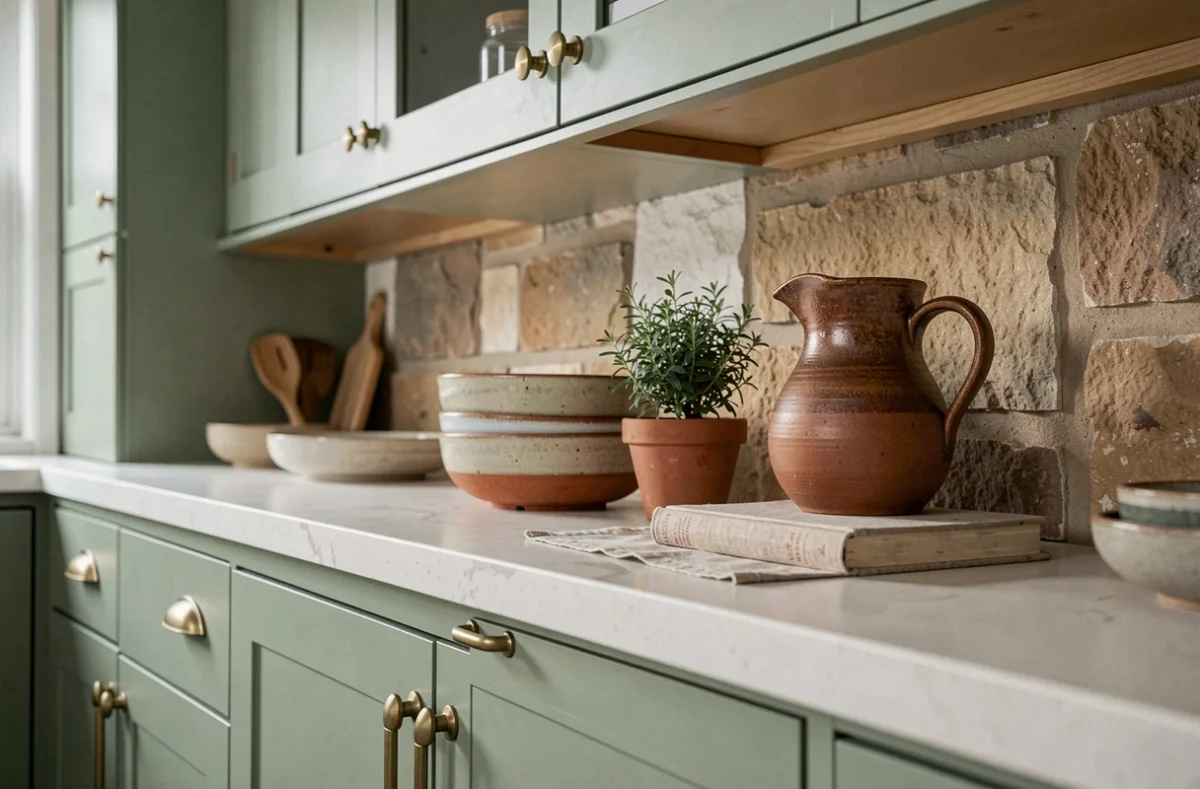
Lighting and Living Room Furniture: Combining Function and Ambiance
A well-equipped living room rests on two pillars: seating furniture and light. Treat them together, not separately.
Choose the Sofa Above All Else
The sofa dictates the flow in the room. Place it first, then arrange the rest around it. An oversized model blocks pathways. A model that’s too small floats in a large space.
Measure the room before choosing the seating, not after. Leave at least 60 cm of passage between the sofa and other furniture to move around without contorting.
Multiply Light Sources Rather Than Relying on a Single Ceiling Fixture
A central ceiling fixture provides uniform lighting, which flattens the room. Three light sources placed at different heights (a pendant, a table lamp, a floor lamp) create relief and distinct areas.
- The pendant above the dining table defines the dining space and focuses attention on the tabletop.
- A table lamp placed on a low piece of furniture provides soft light for reading or conversation.
- A directional floor lamp in a corner of the living room fills shadowy areas and visually enlarges the room.
Lighting alters the perception of colors and volumes. A wall painted in a warm tone will appear dull under a cool bulb. Choose light temperatures consistent with your palette.
Materials and Textures: Creating Depth Without Overloading
Decoration is not just about choosing furniture. It is the materials that give character to an interior.
Combine two or three families of materials, no more. Wood and metal work together because one is warm and the other cold. Linen and ceramic complement each other with their opposing textures. Adding leather, velvet, and rattan in the same room creates visual cacophony.
Two contrasting materials are enough to create relief. A solid wood table with black metal legs, paired with linen cushions, already offers three textures effortlessly. Each additional item must have a specific reason.
The rug plays a often underestimated role. It delineates spaces in an open room, absorbs sound, and adds a layer of comfort. Choose it based on the area it needs to cover: under the dining table, it should extend at least 50 cm on each side of the chairs to prevent the legs from tipping over the edge.
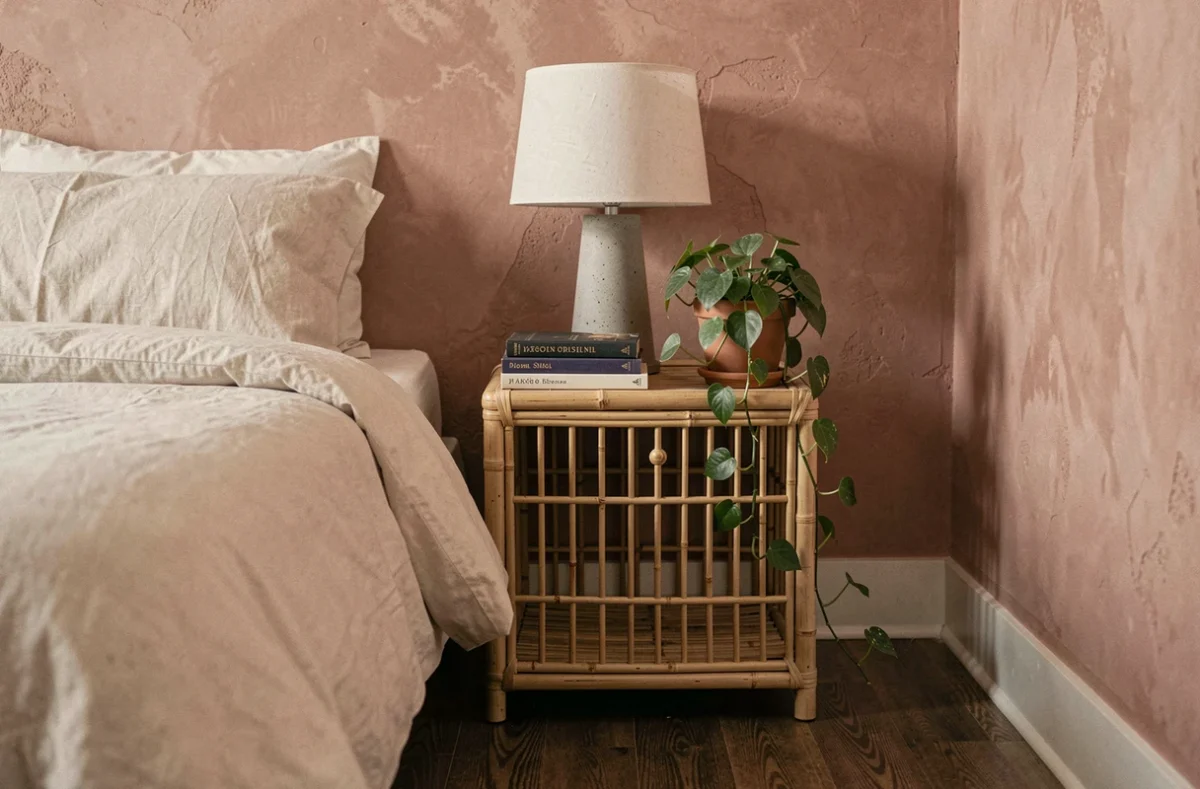
Sorting Signage and Triman Logo: Read Labels Before Buying
Since December 2022, the Triman logo and associated sorting instructions apply to furniture products. This marking indicates the end-of-life channel for the product.
Specifically, a cushion, curtain, or rug bearing the Triman can be directed to an appropriate collection channel rather than being thrown away at a waste disposal site. Check this signage before purchasing, especially for decorative textiles that are often replaced.
This label reading takes a few seconds. It informs you about the actual recyclability of the item, beyond marketing promises. A decorative object without sorting channel indication will be more difficult to recirculate.
- A piece of furniture bearing the Triman logo has an identified take-back channel.
- A decorative textile (curtain, cover, cushion) falls under the furniture or textile channel depending on its category.
- Requesting the product sheet from the seller allows you to know the materials and recyclability before finalizing your choice.
The most effective approach to enhance your interior decoration remains to select fewer pieces, but with better thought. Durable furniture, well-distributed lighting, coherent materials, and attention to the end-of-life of objects build a living space that is both beautiful and responsible. Style comes from coherence, not quantity.